


Progressive Nature Journal
Improve Sleep and Reduce Stress: A Practical Guide
To improve sleep and reduce stress, establish a consistent wind-down routine that combines nervous system regulation, targeted transdermal support, and environmental optimization — starting 90 minutes before bed with dim lighting, cool temperatures, and a high-potency sublingual botanical extract to activate the endocannabinoid system, followed by topical application to tension-prone areas using a bio-compatible lipid carrier that mimics human skin structure for deep tissue absorption.
Key Takeaways
- A consistent pre-sleep routine signals your nervous system to shift from sympathetic to parasympathetic dominance
- Transdermal delivery systems using bioidentical lipid complexes transport active compounds deeper than standard carrier oils
- Sublingual administration provides systemic support for mood balance and sleep regulation within 15-30 minutes
- Environmental factors — temperature, light, and noise — account for up to 40% of sleep quality variance
- Professional-grade formulations undergo third-party testing to verify potency and THC compliance under federal guidelines
Introduction: Breaking the Stress-Sleep Cycle
You lie down exhausted, yet your mind races through tomorrow's deadlines, last week's conversation, and that weird noise your car made. Sound familiar? Across the United States, millions of adults find themselves trapped in a frustrating loop: stress prevents sleep, and poor sleep amplifies stress. The Johns Hopkins survey showing 44% of adults experience stress-induced sleeplessness barely scratches the surface — many more normalize chronic fatigue as a baseline.
Most guides recycle the same advice: avoid caffeine, darken your room, try meditation. Helpful, yes, but incomplete. They miss the physiological bridge between a stressed nervous system and restorative sleep. Your body doesn't just "decide" to sleep — it requires a cascade of hormonal shifts, temperature drops, and neuromodulator activation. When chronic stress keeps cortisol elevated and the endocannabinoid system depleted, that cascade stalls.
This guide takes a different approach. We'll walk through a practical, step-by-step protocol that addresses the stress-sleep connection at the cellular level — combining environmental optimization, nervous system regulation, and targeted botanical support using advanced transdermal technology. Whether you're an athlete managing recovery, a professional navigating high-pressure days, or someone simply tired of being tired, these steps work together to rebuild your natural sleep architecture.
Step 1: Calculate Your Personal Wind-Down Window
Most people start "trying to sleep" when they get in bed. That's too late. Your transition begins 90 minutes before your target sleep time — what sleep researchers call the wind-down window. If you need to wake at 6:00 AM and want 7.5 hours of sleep, lights out is 10:30 PM. Your wind-down starts at 9:00 PM. No exceptions.
Why 90 minutes? That's approximately how long it takes for core body temperature to drop the 1-2 degrees Fahrenheit necessary for sleep onset, for melatonin to rise naturally, and for cortisol to clear from your bloodstream. In the United States, where average screen time exceeds 7 hours daily, this window gets compressed or eliminated entirely.
Set a non-negotiable alarm on your phone for this 90-minute mark. Label it "Wind-Down Begins." When it sounds, you're not finishing an email or scrolling — you're starting Step 2.
Step 2: Initiate Systemic Support with Sublingual Administration
At the 90-minute mark, administer a hemp-derived CBD extract sublingually. Hold 1 mL (approximately one dropper) under your tongue for 60-90 seconds before swallowing. This bypasses first-pass metabolism, delivering phytocannabinoid compounds directly into systemic circulation through the sublingual mucosa.
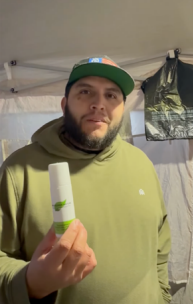
Progressive Nature's 1600mg Sublingual Elixir uses a high-potency botanical regulatory extract designed for whole-body homeostasis support. The endocannabinoid-supporting compound interacts with CB1 receptors throughout the central nervous system, promoting calm and supporting the natural sleep-wake cycle. Many users report a noticeable shift toward relaxation within 20-30 minutes — the perfect timing for your wind-down routine.
This internal balance support works differently than sedatives. Rather than forcing unconsciousness, the adaptive plant compound helps regulate the nervous system's baseline, making the transition to sleep feel natural rather than drugged. For those managing daytime stress that bleeds into evening, this foundational wellness liquid provides the physiological groundwork for the steps that follow.
Step 3: Target Physical Tension with Transdermal Application
While the sublingual extract works systemically, address localized tension that signals danger to your nervous system. Tight shoulders, a clenched jaw, lower back stiffness — these somatic patterns keep your brain in alert mode. Apply a transdermal balm to these areas using a dermal transport medium that penetrates multiple dermal layers.
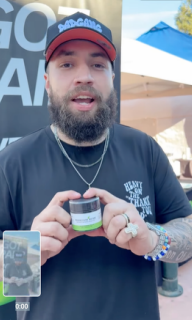
Progressive Nature's 1600mg Transdermal Balm utilizes pharmaceutical-grade emu oil — a bio-compatible lipid carrier with lipid composition nearly identical to human skin. This skin-mimicking lipid structure allows the high-permeability carrier oil to traverse the stratum corneum and reach deep tissue layers where discomfort originates. The lipid-rich infusion base carries 1600mg of phytocannabinoid-rich concentrate directly to cannabinoid receptors in muscle and connective tissue.
Massage a dime-sized amount into each tension zone using slow, firm strokes. The non-comedogenic, skin-compatible formula absorbs rapidly without greasy residue. This targeted comfort application supports the structural relaxation your nervous system needs to register safety — a prerequisite for deep sleep.
Step 4: Engineer Your Sleep Environment
With systemic and topical support initiated, optimize the three environmental pillars: temperature, light, and sound. Set your thermostat to 65-67°F (18-19°C). This specific range facilitates the core temperature drop that triggers sleep onset. If you share a bed with someone who prefers warmer temperatures, use separate blankets rather than compromising on room temperature.
Eliminate all blue light sources. That means phones, tablets, and TVs — or at minimum, enable true red-light filters (not just "night shift" modes). Install blackout curtains or wear a silk sleep mask. Even ambient light from streetlamps or alarm clocks can suppress melatonin by 50% or more.
For sound, use a white noise machine set to pink noise (deeper, less harsh than white noise) at 40-45 decibels. This masks disruptive sounds without becoming a disturbance itself. In urban areas across the United States, traffic and neighbor noise frequently exceed 55 decibels — well above the WHO's recommended nighttime limit of 40 decibels for quality sleep.
Step 5: Perform a Nervous System Downshift Sequence
Now that your body has botanical support and your environment is optimized, guide your nervous system through a deliberate downshift. This isn't meditation in the spiritual sense — it's physiological hacking. Complete this 10-minute sequence in order:
- Box breathing (4 minutes): Inhale 4 counts, hold 4, exhale 4, hold 4. Repeat. This pattern stimulates the vagus nerve, shifting autonomic balance toward parasympathetic dominance.
- Progressive muscle release (3 minutes): Starting at your toes, tense each muscle group for 3 seconds, then release completely. Work upward to your face. This teaches your body the difference between tension and relaxation.
- Cognitive offload (3 minutes): Write tomorrow's top 3 priorities and any open loops on paper. Not your phone — paper. The physical act of externalizing tasks reduces prefrontal cortex activation.
This sequence takes exactly 10 minutes. Set a timer. When it ends, you're done — no extending, no "one more round." Consistency trains the association: this sequence equals sleep preparation.
Step 6: Eliminate Sleep-Disrupting Inputs
During your wind-down window, three inputs commonly derail the process: alcohol, late meals, and emotional activation. Alcohol initially sedates but fragments sleep architecture in the second half of the night, suppressing REM and causing rebound wakefulness. Stop consumption 3 hours before bed.
Finish eating 2-3 hours before sleep. Digestion raises core temperature and activates the sympathetic nervous system — opposite of what you need. If hunger strikes, a small protein-fat snack (half a banana with almond butter, a few walnuts) won't spike insulin or require significant digestive effort.
Emotional activation includes news, work emails, intense conversations, and social media. These trigger cortisol and norepinephrine release. Create a "digital sunset" — all screens off, work conversations tabled, news avoided. This boundary protects the physiological progress you've built in Steps 1-5.
Step 7: Establish a Consistent Wake Anchor
Sleep quality tonight starts with light exposure this morning. Within 30 minutes of waking, get 10-15 minutes of bright outdoor light (10,000+ lux). This anchors your circadian rhythm, timing melatonin release approximately 14-16 hours later. On overcast days or during winter months in northern United States regions, a 10,000-lux light therapy lamp at 12-18 inches from your face for 20 minutes achieves similar effects.
Wake at the same time daily — weekends included. Social jetlag (shifting sleep schedules by 2+ hours on weekends) disrupts circadian alignment as severely as crossing time zones. If you're sleep-deprived, a 20-minute nap before 2 PM is preferable to sleeping in.
This wake anchor creates the pressure for sleep that makes your evening routine effective. Without it, even perfect wind-down habits fight against a misaligned biological clock.
Step 8: Track, Adjust, and Maintain
You can't optimize what you don't measure. Track these five metrics daily for 14 days: sleep onset latency (minutes to fall asleep), wake episodes, total sleep time, morning rested rating (1-10), and daytime stress rating (1-10). Use a simple notebook or sleep app — consistency matters more than precision.
After two weeks, identify patterns. If sleep onset exceeds 30 minutes consistently, extend your wind-down window to 120 minutes. If wake episodes cluster at 3 AM, evaluate blood sugar stability (add the protein-fat snack) or bedroom temperature drift. If morning rested scores stay below 6 despite adequate duration, consider a sleep study — sleep apnea affects an estimated 25 million adults in the United States, many undiagnosed.
Adjust one variable at a time. Maintain each change for 5-7 days before evaluating. This systematic approach prevents the common trap of changing everything at once and never knowing what worked.
Frequently Asked Questions
How long before bed should I take a sublingual hemp extract for sleep support?
Administer 60-90 minutes before your target sleep time. Sublingual absorption typically produces noticeable effects within 20-30 minutes, but the full regulatory support for nervous system balance aligns best with a 90-minute wind-down window. Consistency matters more than perfect timing — same time nightly trains anticipatory physiological responses.
Can I use transdermal CBD products if I have sensitive skin?
Progressive Nature's formulations use pharmaceutical-grade emu oil as a bioidentical lipid complex — non-comedogenic and biologically harmonious with human skin. The lipid-based transport matrix minimizes irritation risk compared to alcohol-based or synthetic carrier systems. However, always patch test a small amount on your inner forearm 24 hours before full application, especially if you have known sensitivities to botanical compounds.
Will these products show up on a drug test?
Progressive Nature products are third-party lab tested and THC-compliant under federal guidelines (less than 0.3% THC by dry weight). However, hemp extracts can contain trace cannabinoids that some sensitive drug screens may detect. If you're subject to zero-tolerance testing, consult your employer's policy and consider isolate-based alternatives. Certificates of Analysis (COAs) are available for every batch.
Ready to experience the difference that advanced transdermal delivery makes? Explore Progressive Nature's full line of high-potency, emu oil–based formulations — from our flagship 1600mg Transdermal Balm for targeted relief to the Sublingual Elixir for systemic sleep and mood support. Contact our team to learn more about practitioner partnerships, wholesale pricing, or finding the right product for your wellness routine.
About the author
We believe everyone deserves to live without the burden of persistent discomfort. That's why we created Progressive Nature—to provide natural solutions that deliver real, lasting relief.
Keep reading
Related articles
Oct 2, 2026
5 Things to Know About Muscle Recovery Tips For Athletes
Explore muscle recovery tips for athletes, from fueling and sleep to CBD topical safety. Build a practical routine and recognize when soreness needs care.
Oct 1, 2026
How to Treatment Options For Peripheral Neuropathy Pain
Explore treatment options for peripheral neuropathy pain with seven practical steps covering medicines, foot care, CBD evidence, and follow-up planning.
Sep 29, 2026
How to Reduce Inflammation After Exercise
Learn how to reduce inflammation after exercise with seven practical steps for soreness, nutrition, sleep, and recovery, plus clear guidance on CBD.