Progressive Nature Journal
How to Treatment Options For Peripheral Neuropathy Pain
Choosing treatment options for peripheral neuropathy pain starts with identifying the cause, then combining appropriate medication, foot protection, movement, and symptom tracking. This step-by-step guide explains how to compare established treatments, assess complementary products such as CBD, and work with a healthcare professional toward better sleep, mobility, and daily comfort.
Burning feet, electric-shock sensations, and painful sensitivity to bedsheets can make everyday life exhausting. But nerve pain is not always treated like an aching muscle. The most useful plan separates three goals: addressing the underlying condition, reducing pain, and protecting areas where sensation has changed.
Use the seven steps below to prepare for an appointment and organize a realistic care plan. Progressive Nature offers products designed to support peripheral neuropathy discomfort; complementary wellness products belong alongside appropriate medical care, not in place of diagnosis or prescribed treatment.
This guide provides general education, not a diagnosis or individualized treatment instructions. New or worsening neurological symptoms need medical assessment.
Key Takeaways
Peripheral neuropathy care works best when treatment decisions account for the cause of nerve damage, symptom severity, medication risks, and everyday function. Pain relief and nerve recovery are different outcomes, so feeling better does not eliminate the need for protective care.
- Identifying diabetes, vitamin deficiency, medication effects, or another cause can change the treatment plan for peripheral neuropathy.
- Prescription nerve-pain medicines, selected topical treatments, and rehabilitation can address different parts of painful neuropathy.
- Daily foot checks remain important because reduced pain does not necessarily mean normal sensation has returned.
- CBD and emu oil formulations have limited clinical evidence for neuropathy and should not be presented as proven nerve-repair treatments.
How do you choose a practical plan for peripheral nerve pain?
Choose treatment options for peripheral neuropathy pain by starting with a medical assessment, setting a functional goal, and reviewing one planned treatment change at a time. The following sequence helps make benefits, side effects, and unanswered questions easier to discuss with your clinician.
-
What should you document before a neuropathy appointment?
Before a neuropathy appointment, record where symptoms occur, how the sensations feel, when symptoms began, and whether weakness or balance problems are present. A clear symptom history helps a clinician distinguish peripheral nerve pain from circulation problems, joint pain, or nerve compression.
Write a brief symptom map rather than relying on memory. Include whether discomfort affects both feet, one hand, or a small patch of skin. Note burning, tingling, stabbing pain, numbness, or sensitivity to light touch separately.
- Timing: Record whether symptoms are constant, occur at night, or follow activity.
- Function: Describe interrupted sleep, difficulty walking, dropped objects, or trouble with stairs.
- Health history: Bring information about diabetes, chemotherapy, kidney disease, alcohol exposure, and previous injuries.
- Products and medicines: List prescriptions, over-the-counter products, CBD, and supplements with their label amounts.
Don't overlook “nerve support” supplements. Excess vitamin B6 can itself cause neuropathy, so bring the actual bottles or label photos.
Seek emergency care for sudden one-sided weakness or numbness, trouble speaking, or rapidly progressing weakness with breathing difficulty. New bladder or bowel dysfunction with leg weakness also needs emergency assessment. A foot wound with spreading redness, drainage, or fever deserves prompt medical attention rather than another topical application.
-
How can identifying the cause change your treatment?
Identifying the cause of peripheral neuropathy can reveal treatments that address ongoing nerve injury rather than only reducing pain. Depending on the history and examination, a clinician may investigate blood glucose, vitamin B12 status, thyroid function, kidney function, or medication-related nerve damage.
A neurological examination may assess strength, reflexes, balance, and sensation. Nerve conduction studies or electromyography may be appropriate, but not everyone needs every test. Some small-fiber neuropathies require a different evaluation because routine nerve conduction results can be normal.
Ask your clinician to explain both parts of the plan:
- Cause-directed care: Examples include diabetes management, treatment of a confirmed deficiency, or specialist treatment for an immune-related condition.
- Symptom-directed care: Examples include medication for burning pain, physical therapy for balance, and footwear changes for pressure protection.
Never stop a suspected prescription medicine independently, especially cancer treatment or another essential therapy. Ask the prescribing clinician whether the medicine could contribute and whether alternatives are appropriate.
Sometimes the cause remains unclear despite evaluation. Pain management and injury prevention can still proceed while the care team monitors changes. If symptoms remain unchanged, use the questions in My Peripheral Neuropathy Pain Unchanged: A Practical Guide to organize a follow-up discussion.
-
Which medicines should you discuss for burning or shooting nerve pain?
Medicines commonly considered for painful peripheral neuropathy include gabapentin, pregabalin, duloxetine, and selected tricyclic antidepressants. The best choice depends on the neuropathy type, kidney function, other medicines, sleep difficulties, fall risk, and previous treatment responses.
These medicines act differently from ordinary pain relievers. An antidepressant prescribed for nerve pain does not mean the pain is imagined; certain antidepressants also affect pain-signaling pathways.
- Gabapentin or pregabalin: Ask about dizziness, sleepiness, swelling, kidney-related dose adjustments, and risks when combined with sedating medicines.
- Duloxetine: Ask about nausea, blood-pressure effects, liver-related precautions, and interactions with other medicines.
- Tricyclic antidepressants: Ask about dry mouth, constipation, urinary difficulties, heart-related precautions, and fall risk.
In the United States, some drugs have approval for specific neuropathic conditions, while other prescribing is off-label. Ask what evidence supports the medicine for your diagnosis rather than assuming every nerve-pain prescription has the same indication.
Acetaminophen and nonsteroidal anti-inflammatory drugs may help accompanying muscle or joint pain, but often provide limited relief for neuropathic pain itself. Opioids generally are not a preferred long-term starting approach because of their risks.
Before leaving the appointment, confirm the dosing instructions, expected trial period, side effects that require a call, and any tapering requirements. Don't abruptly discontinue a prescription without guidance.
-
When should you consider a topical treatment for localized discomfort?
Topical treatment may be useful when neuropathic pain is concentrated in a defined area and the skin is intact. Lidocaine and capsaicin are established options in selected circumstances, while CBD topicals have more limited evidence and should be evaluated separately.
Lidocaine patches or creams may help selected localized pain problems; suitability and instructions depend on the product and diagnosis. Capsaicin can cause burning during use. The prescription high-concentration capsaicin patch is applied by healthcare professionals and differs from ordinary over-the-counter creams.
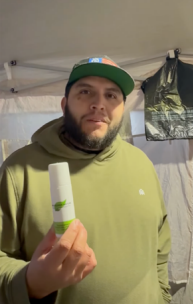
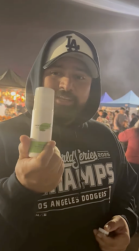
Progressive Nature offers a 2000mg Transdermal Balm and a 2000mg Sports Rollerball in a 60ml applicator. The company describes its emu oil base as a transdermal CBD delivery system. These product descriptions should not be interpreted as proof that CBD reaches damaged nerves or treats the underlying neuropathy.
“Topical” means applied to the skin. “Transdermal” generally implies delivery through the skin, often for systemic absorption. Actual delivery depends on the complete formulation; the name alone does not establish absorption depth or clinical benefit.
For any topical, follow the label and ask a clinician or pharmacist about suitability. Avoid wounds, ulcers, and irritated skin. Don't layer several active creams, add heating pads, or cover an application tightly unless the instructions specifically permit those practices.
If a clinician approves a new product, try a small area of intact skin first and watch for irritation. A skin-tolerance check cannot establish whether a product will relieve neuropathy.
-
How can you evaluate CBD and emu oil claims without overestimating the evidence?
Evaluate CBD and emu oil products by separating ingredient claims, product testing, and clinical outcomes. Evidence that a carrier changes skin absorption does not establish that a finished formula relieves neuropathy, reaches deep nerves, or reverses nerve damage.
Research on CBD for peripheral neuropathic pain remains limited, particularly for specific commercial topical formulations. Published case discussions can suggest research questions, but cannot establish predictable results or replace controlled clinical trials.
Emu oil is an animal-derived, lipid-rich oil used in skin formulations. When comparing emu oil CBD benefits or CBD absorption technology, look for finished-product human evidence rather than relying on terms such as “deep delivery.” Greater absorption would not automatically mean greater pain relief or fewer adverse effects.
Progressive Nature states that its products are third-party tested and that certificates of analysis are available. Before purchase:
- Request a certificate of analysis that matches the product batch.
- Check the reported CBD and THC amounts and which contaminants the laboratory actually tested.
- Read the entire ingredient list for potential sensitivities.
- Distinguish total container content from the amount delivered in each application.
For example, 2000mg describes the stated CBD content of the whole product, not a recommended application amount. Potency alone does not determine an effective neuropathy treatment.
In the United States, the Food and Drug Administration has not approved CBD products to treat peripheral neuropathy. Hemp compliance and laboratory testing do not establish treatment effectiveness. CBD can interact with medicines, especially with oral use, and THC-containing products may affect drug testing.
For additional reading, review five things to know about CBD oil for peripheral neuropathy relief and the emu oil versus coconut oil comparison with these evidence distinctions in mind.
-
Which daily habits protect your feet and support better function?
Daily skin checks, well-fitting footwear, appropriate movement, and a consistent sleep routine support neuropathy management. Protective habits matter even when pain improves because numbness may prevent a person from noticing friction, burns, blisters, or developing wounds.
Inspect the tops, soles, and spaces between your toes every day. Use a mirror or ask for help if reaching your feet is difficult. Look inside shoes before putting them on, avoid walking barefoot, and arrange professional assessment for wounds or concerning skin changes.
Reduced temperature sensation makes heating pads and hot foot soaks risky. Don't use numb skin to judge water temperature. If you have diabetes, poor circulation, or a history of ulcers, ask for individualized foot-care instructions.
Movement should match your balance, strength, and skin condition. A physical therapist can help select supported walking, seated exercises, balance training, or another suitable activity. Active foot ulcers or significant instability may require off-loading or a different exercise plan.
- For nighttime sensitivity: Consider whether bedding pressure, room temperature, or footwear worn before bed affects symptoms.
- For sleep disruption: Keep a regular waking time and discuss persistent insomnia with your clinician.
- For fear of movement: Ask about graded rehabilitation and pain-focused psychological support.
Psychological pain treatment addresses coping, sleep, and function; it does not imply that nerve pain is unreal. Explore practical approaches to natural relief for peripheral neuropathy as additions to, rather than replacements for, protective care.
-
How do you know whether your treatment plan is working?
A neuropathy treatment plan is helping when meaningful activities improve and side effects remain acceptable, even if pain does not disappear. Track sleep, walking tolerance, balance, skin condition, and pain together instead of judging success from a single good or bad day.
Choose a concrete goal before starting a treatment: completing grocery shopping more comfortably, waking less often, or tolerating socks. Record a brief baseline, then use the same observations during the clinician-agreed trial.
Make one planned change at a time when practical. Starting a medicine, supplement, and cream together makes it difficult to identify what helped or caused dizziness, irritation, or fatigue.
- Continue discussion: Note meaningful benefits and whether the routine is sustainable.
- Request adjustment: Report inadequate relief, persistent sedation, swelling, falls, or troublesome skin reactions.
- Ask about referral: Consider neurology, pain medicine, physical therapy, or podiatry when symptoms, diagnostic uncertainty, or safety concerns persist.
Specialists may discuss interventions such as selected nerve-stimulation approaches for treatment-resistant cases. Suitability depends on the diagnosis; procedures are not interchangeable solutions for all neuropathy.
Before agreeing to care, ask about insurance coverage, prior authorization, visit requirements, and ongoing product costs. Avoid paying indefinitely for an add-on that has no noticeable benefit. Never interpret reduced pain as proof that numbness or injury risk has resolved.
Frequently Asked Questions
Questions about neuropathy treatment often focus on the strongest medicine, natural remedies, and how soon relief should occur. The answers depend on the cause and symptom pattern, but a few distinctions can help you make safer decisions with your care team.
What is the most effective treatment for peripheral neuropathy pain?
No single treatment is most effective for everyone with peripheral neuropathy pain. A useful plan combines cause-directed care, an appropriate nerve-pain medicine or topical when indicated, and injury prevention. Comparing treatment options for peripheral neuropathy pain should also account for sleep, walking ability, other medical conditions, and side effects—not pain intensity alone.
Can peripheral neuropathy be reversed?
Some neuropathies can improve when a treatable cause is corrected, but recovery depends on the cause, severity, and duration of nerve injury. Other neuropathies persist or progress despite treatment. Pain reduction does not establish nerve repair, and no CBD balm should be considered proof of restored nerve function.
Does CBD balm help burning feet from neuropathy?
CBD balm has limited evidence for neuropathic burning feet and is not an established first-line treatment. A clinician should first assess burning feet because neuropathy, skin conditions, and circulation problems can require different care. If a CBD topical is appropriate as an optional add-on, use intact skin, follow labeling, and track whether meaningful benefit occurs.
How long should you try a nerve-pain treatment?
The appropriate trial period depends on the treatment, dose-adjustment schedule, and tolerability. Some prescription medicines require gradual adjustment before their benefit can be judged, while topical products have different instructions. Agree on a review point with your clinician before starting, and seek advice sooner for worsening weakness, falls, significant adverse effects, or skin injury.
Are natural neuropathy treatments safer than prescription medicines?
Natural neuropathy products are not automatically safer than prescription medicines. Supplements can cause nerve injury when inappropriate ingredients or excessive amounts are used, CBD can interact with medicines, and topical ingredients can irritate skin. Safety depends on the specific product, dose, medical history, and whether the treatment delays necessary evaluation.
Your next step toward a clearer care plan
A clearer neuropathy plan starts with one documented symptom history, one meaningful functional goal, and a scheduled review. Bring product labels and medication details to the appointment so your clinician can evaluate the entire routine, including optional complementary products.
Progressive Nature's product line is designed to support peripheral neuropathy discomfort, joint pain relief, muscle recovery, and other wellness goals. Product positioning should remain separate from medical diagnosis, proven treatment outcomes, and claims of nerve regeneration.
About the Author
Progressive Nature We believe everyone deserves to live without the burden of persistent discomfort. That's why we created Progressive Nature—to provide natural solutions that deliver real, lasting relief.
Have questions about ingredients, product formats, or available certificates of analysis? Visit Progressive Nature to explore the product line and contact the team before discussing a complementary option with your healthcare professional.
About the author
We believe everyone deserves to live without the burden of persistent discomfort. That's why we created Progressive Nature—to provide natural solutions that deliver real, lasting relief.
Keep reading
Related articles
Oct 2, 2026
5 Things to Know About Muscle Recovery Tips For Athletes
Explore muscle recovery tips for athletes, from fueling and sleep to CBD topical safety. Build a practical routine and recognize when soreness needs care.
Sep 29, 2026
How to Reduce Inflammation After Exercise
Learn how to reduce inflammation after exercise with seven practical steps for soreness, nutrition, sleep, and recovery, plus clear guidance on CBD.
Sep 26, 2026
10 Ways to Comparison Of Over-The-Counter Pain Relievers
Use this comparison of over-the-counter pain relievers to weigh ingredients, safety, topical options, and CBD evidence before choosing pain relief.