Progressive Nature Journal
5 Things to Know About Muscle Recovery Tips For Athletes
The most useful muscle recovery tips for athletes are to adjust training to current readiness, replace energy and fluids, protect sleep, choose recovery tools for a specific purpose, and evaluate CBD products carefully. Less soreness doesn’t always mean repaired muscle, so track movement and performance—not just how comfortable your legs feel.
Key Takeaways
Effective athletic recovery combines consistent daily habits with decisions based on symptoms, training demands, and product quality. Recovery products belong alongside adequate food, fluids, sleep, and sensible programming—not in place of those foundations.
- Reduced muscle soreness does not automatically mean an athlete is ready for another demanding workout.
- Recovery meals should provide both protein for tissue repair and carbohydrates to replenish training fuel.
- Massage, cold exposure, and topical products serve different purposes and should not be treated as interchangeable recovery tools.
- Competitive athletes should check governing-body rules and contamination risks before using any CBD product.
- Persistent pain, substantial swelling, unusual weakness, or dark urine require more attention than routine post-workout soreness.
Which five recovery decisions matter most after training?
The five most important recovery decisions concern training load, nutrition, sleep, optional recovery tools, and product safety. Making those decisions in order helps athletes avoid spending heavily on extras while overlooking the habits that support adaptation.
-
How can you tell whether sore muscles need movement or rest?
Training readiness depends on normal movement, manageable symptoms, and the ability to perform without compensation. Mild, diffuse muscle soreness may allow easy activity, while sharp pain, swelling, or altered technique calls for stopping and reassessing.
Start with a familiar, low-effort movement: walk, climb stairs, or perform an unloaded version of your sport’s basic pattern. Compare the movement with your usual baseline. Are you limping, shifting away from one side, or struggling with an ordinarily easy task?
Delayed-onset muscle soreness commonly follows unfamiliar or demanding exercise. Soreness alone is not a reliable measure of workout quality, and chasing soreness can encourage unnecessary training stress.
On a sore day, change one variable deliberately. Reduce resistance, shorten the session, or choose an easier activity instead of repeating the same hard workout. Gentle movement should feel comfortable rather than become another test of toughness.
If discomfort keeps returning in the same location, review recent changes in volume, intensity, and technique. Progressive Nature’s guide to muscle soreness that isn’t going away offers another starting point, but persistent or worsening symptoms deserve professional assessment.
-
What should athletes eat and drink to support muscle recovery?
A recovery meal should include protein, carbohydrates, and enough fluid to replace training losses without forcing excessive intake. Total daily nourishment matters more than finding a perfect recovery drink or treating one post-workout snack as a complete solution.
Build a practical meal around foods you already tolerate. Rice with beans and chicken, yogurt with oats and fruit, or tofu with noodles can provide both rebuilding materials and fuel. Athletes who finish late can prepare a meal before training rather than rely on whatever is available afterward.
Do not let protein crowd out carbohydrates. Repeated practices, tournament schedules, and endurance sessions draw on stored carbohydrate, while chronic under-fueling can undermine recovery and increase injury risk.
Fluid needs change with heat, humidity, clothing, and sweat losses. During hot-weather training in the United States, prolonged or particularly sweaty sessions may also call for sodium replacement through food or an appropriate electrolyte drink.
Avoid drinking large amounts simply because more seems healthier. Use thirst, training conditions, and an individualized plan as guides. A sports dietitian can help when frequent fatigue, restricted eating, or a demanding competition calendar complicates recovery.
-
How should athletes protect sleep when training schedules change?
Sleep supports athletic recovery most reliably when athletes allow sufficient sleep opportunity and keep a consistent routine. Evening practices, travel, and early competitions require planning because a recovery product cannot compensate for repeatedly shortened nights.
Work backward from your next wake-up time. Prepare equipment, meals, and transportation earlier so that bedtime does not become the only flexible part of the day. After late training, use a predictable transition: eat, shower, lower the lights, and finish stimulating tasks.
Watch for the common cycle of poor sleep followed by extra caffeine, followed by another difficult night. Consider moving caffeine earlier and discussing persistent sleep problems with a clinician rather than adding more recovery products.
Stress also matters. A short written plan for tomorrow can help separate preparation from repetitive bedtime problem-solving. The goal is a repeatable routine, not a perfect evening.
Progressive Nature offers products designed for sleep and mood support, but CBD is not an established replacement for evaluating insomnia or sleep apnea. Read the guide to CBD sleep support products with those limitations in mind, especially when taking medications that may interact with CBD.
-
When do massage, cold exposure, and topical products make sense?
Recovery tools make the most sense when athletes choose a clear objective, such as easing perceived soreness or making gentle movement more comfortable. Symptom relief should not be confused with faster tissue repair or permission to train through an injury.
Massage and gentle foam rolling may reduce perceived soreness or temporarily improve range of motion. Pressure should remain tolerable; aggressive work over an acutely painful or swollen area can aggravate symptoms rather than solve the underlying problem.
Cold-water immersion may help some athletes feel better during congested competition schedules. However, routinely using cold immersion immediately after strength training may interfere with some training adaptations. The best choice depends on whether the immediate priority is competition readiness or longer-term development.
Topical products belong in the same decision framework. A pleasant skin sensation or lower discomfort rating does not establish that damaged muscle has recovered.
Before combining multiple creams, heating devices, or tightly wrapped applications, review each label. Mixing methods can increase irritation or change exposure. Progressive Nature’s muscle recovery cream selection guide can help organize product comparisons without treating a cream as the foundation of your recovery plan.
-
What should athletes check before trying an emu oil CBD topical?
Athletes considering an emu oil CBD topical should check the ingredient list, batch testing, application instructions, and sport-specific restrictions. Evidence that a finished product accelerates muscle recovery or delivers CBD into deep muscle remains limited.
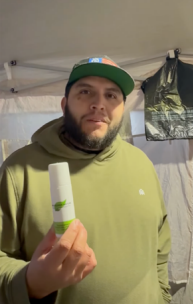
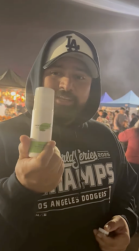
Progressive Nature’s 2000mg Sports Rollerball comes in a 60ml format for targeted, mess-free application. The 2000mg figure describes the product’s total CBD content, not the amount delivered by a single pass or absorbed through skin.
Progressive Nature describes emu oil as the carrier in its transdermal CBD delivery system. However, a lipid-rich carrier and good skin compatibility do not, by themselves, prove that CBD reaches muscles or joints at an effective concentration.
Topical application places a product on the skin; demonstrated transdermal delivery requires evidence that an ingredient crosses the skin barrier. Claims about superior CBD absorption technology should therefore be assessed using finished-formula data, not carrier descriptions alone.
For more formulation context, review Progressive Nature’s explanation of emu oil carrier benefits for CBD. Patch-test according to label directions, avoid broken skin, and ask a clinician about medication interactions. Competitive athletes should also complete the anti-doping checks below.
How can you turn recovery advice into a repeatable routine?
A repeatable recovery routine connects each training session to the next rather than treating recovery as a separate shopping list. Record a few consistent observations, then use those observations to adjust training and identify patterns.
Immediately after training, note whether the session was harder than expected and whether any discomfort felt different from ordinary fatigue. Arrange your next meal, replace fluids sensibly, and check that the following day’s plan matches the workload you just completed.
The next morning, compare sleep quality, general energy, and a familiar movement with your normal baseline. A single poor morning may not mean much. Repeated deterioration, especially alongside reduced performance or recurring pain, deserves a change in the plan.
Introduce optional products one at a time. Adding a rollerball, massage session, cold bath, and new supplement together makes it difficult to tell what helped—or what caused irritation.
The most practical muscle recovery tips for athletes are measurable without complicated equipment. Ask whether you can move normally, complete easy work comfortably, and maintain consistent training over time. Feeling temporarily less sore is useful information, but it is only one part of the picture.
What do athletes in the United States need to know about CBD testing?
Competitive athletes in the United States should distinguish legal hemp status, product testing, and anti-doping eligibility. A product described as THC compliant or non-intoxicating is not automatically free of prohibited cannabinoids or safe for a tested athlete.
Under World Anti-Doping Agency rules, cannabidiol is excepted from the cannabinoid prohibition, but other cannabinoids remain prohibited in competition. Athletes must also check their own governing body’s current rules; not every league or organization follows an identical policy.
CBD products can contain THC or other cannabinoids through their formulation or contamination. A topical format does not remove that concern. Neither an athletic sponsorship nor general third-party testing establishes anti-doping certification.
Progressive Nature states that its products are third-party lab tested and that certificates of analysis are available. Before purchase, request the certificate matching the product and batch. Review cannabinoid results and whether contaminant testing is included; a potency result alone is not a comprehensive safety assessment.
Discuss the actual product with your team’s medical or anti-doping staff before use. If testing documentation or eligibility remains unclear, avoiding the product is the more cautious choice.
When should muscle soreness be evaluated by a professional?
Muscle discomfort warrants assessment when pain is focal, worsening, repeatedly returning, or limiting normal function. Severe pain with marked swelling, unusual weakness, or dark urine after exertion requires urgent medical attention rather than another recovery treatment.
Ordinary post-exercise soreness tends to follow a recognizable training challenge and improve gradually. Pain that changes your gait, disrupts sleep, or repeatedly affects the same tendon or joint deserves a closer look. Tingling and numbness should not automatically be labeled muscle soreness.
Do not use a topical product to cover symptoms so you can finish a workout. Reducing discomfort without addressing an injury can make it easier to exceed an appropriate load.
A physical therapist, sports medicine clinician, or qualified athletic trainer can assess movement and help establish an appropriate return-to-training plan. Bring notes about recent workload changes, symptom location, and anything you have applied or taken. Those details are more useful than a general statement that recovery “isn’t working.”
Frequently Asked Questions
Common recovery questions involve soreness, workout timing, and whether CBD adds meaningful value. The answers below separate everyday recovery habits from product claims and decisions that require individualized medical or sporting guidance.
Should you work out when your muscles are still sore?
Mild soreness may allow an easier workout if movement remains normal and symptoms do not worsen. Choose a lower load or another activity instead of forcing the planned session. Sharp pain, swelling, weakness, or compensation are reasons to stop and reassess. Comfort during a warm-up does not automatically rule out injury.
Does CBD help muscles recover faster after exercise?
Current evidence does not establish that CBD reliably speeds muscle repair or improves return-to-performance outcomes after exercise. Some users report changes in comfort, but subjective relief and biological recovery are different outcomes. Treat CBD as an optional wellness consideration, not a replacement for adequate nutrition, sleep, load management, or assessment of persistent pain.
Is emu oil proven to carry CBD into muscles and joints?
Emu oil’s use as a carrier does not establish that a particular CBD formula reaches muscles or joints at therapeutic levels. Absorption depends on the complete formulation, application conditions, and skin barrier. Claims about emu oil CBD benefits should distinguish skin-conditioning properties from demonstrated drug delivery and clinically meaningful recovery outcomes.
How do you choose between a CBD balm and a rollerball?
Choose the format around application preferences and label instructions rather than assuming one delivers better recovery. Progressive Nature offers a 2000mg Transdermal Balm and a 2000mg Sports Rollerball in a 60ml format. The rollerball provides convenient targeted application; neither format’s total CBD content establishes the amount absorbed or guarantees a particular result.
Can athletes use CBD alongside prescription medication?
Athletes taking prescription medication should ask a pharmacist or clinician before using CBD, particularly an oral or sublingual product. CBD can interact with medications, and exposure from products marketed as transdermal should not be assumed negligible. Bring the ingredient list and certificate of analysis so the discussion concerns the actual formula rather than CBD in general.
Looking for muscle recovery tips for athletes that fit your routine? Contact Progressive Nature through the website to ask about its athletic recovery product line, application guidance, and available certificates of analysis before choosing a product.
About the author
We believe everyone deserves to live without the burden of persistent discomfort. That's why we created Progressive Nature—to provide natural solutions that deliver real, lasting relief.
Keep reading
Related articles
Oct 1, 2026
How to Treatment Options For Peripheral Neuropathy Pain
Explore treatment options for peripheral neuropathy pain with seven practical steps covering medicines, foot care, CBD evidence, and follow-up planning.
Sep 29, 2026
How to Reduce Inflammation After Exercise
Learn how to reduce inflammation after exercise with seven practical steps for soreness, nutrition, sleep, and recovery, plus clear guidance on CBD.
Sep 26, 2026
10 Ways to Comparison Of Over-The-Counter Pain Relievers
Use this comparison of over-the-counter pain relievers to weigh ingredients, safety, topical options, and CBD evidence before choosing pain relief.